

Starting a blog is easy. You choose a name, pick a platform, and publish your first post. Learning how to make money blogging is a different challenge—one that new bloggers often underestimate because launching the site already feels like progress.
Blogs can generate income in several ways, but the right approach depends on your niche, audience, traffic, and what you can offer your readers. Publishing content alone doesn’t guarantee revenue. You need a way to connect that content with a relevant monetization method.
In this guide, I’ll explain six ways bloggers make money, what a new blog needs before it can earn income, and how these revenue streams can work together.
If you’re still setting up your site, start with my guide to How to Start a Blog With AI in 2026.
1. Display Advertising
Display advertising allows bloggers to earn revenue by showing ads on their websites. An ad network, such as Google AdSense, connects publishers with advertisers and places ads on eligible pages. Depending on the network and payment model, publishers may earn revenue from impressions, clicks, or other qualifying activity.
Earnings depend on several factors, including traffic volume, audience location, topic, advertiser demand, and ad placement. More traffic can create more earning opportunities, but it doesn’t guarantee higher revenue. The value of that traffic and the ads a network serves also matter.
Display advertising can be relatively straightforward to manage once a site qualifies for an ad network. However, bloggers must follow the network’s policies and balance ad placements with the reader experience. Adding more ads doesn’t automatically increase earnings, and excessive placements can make pages harder to use.
2. Affiliate Marketing
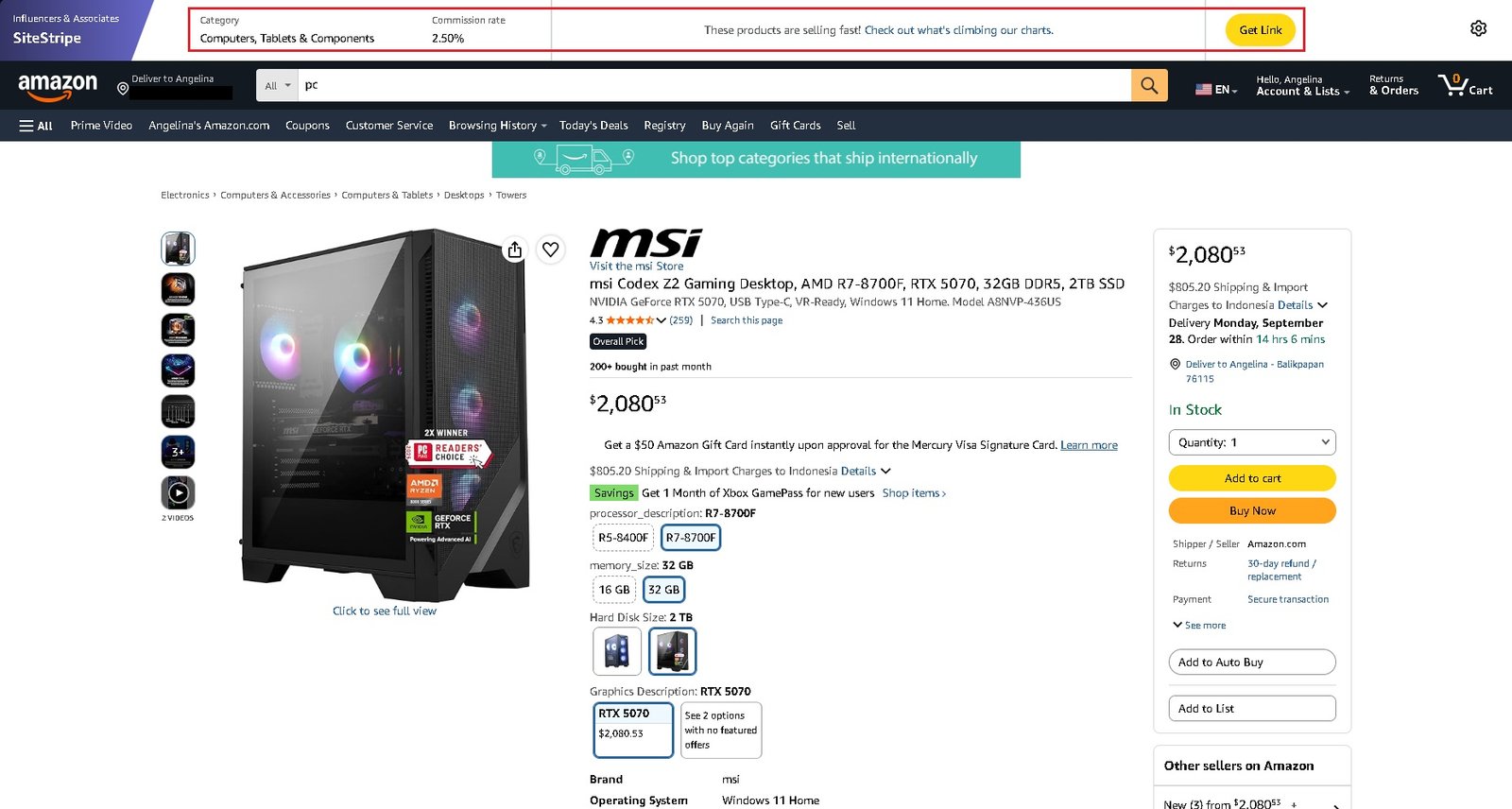
Affiliate marketing allows bloggers to earn commissions by recommending products or services through tracked links. When a reader clicks an affiliate link and completes a qualifying action, usually a purchase, the blogger may receive a commission under the program’s terms.
This model works naturally with content that helps readers make decisions, such as product reviews, comparisons, tutorials, and tool recommendations. A blogger covering AI tools, for example, might compare several options and link to the products that best fit different needs.
Relevance and trust matter more than link volume. Explain why a product suits a particular use case, acknowledge meaningful limitations, and avoid recommending something solely because it offers a commission. Recommendations should help readers make informed decisions rather than interrupt the article with constant sales pitches.
Bloggers should also disclose affiliate relationships clearly and follow the requirements that apply to their location, audience, and affiliate program.
3. Sponsored Content
Sponsored content is content a company pays a blogger to create or publish to promote its brand, product, or service. Common arrangements include sponsored articles, paid product reviews, and sponsored mentions within existing content.
Brands may consider audience relevance, engagement, subject-matter credibility, content quality, and reach when choosing bloggers. A smaller blog can still appeal to a brand if it reaches a specific audience that aligns with the company’s goals. However, sponsorship opportunities depend on the campaign and partnership terms; traffic alone doesn’t guarantee them.
Bloggers should clearly disclose sponsored relationships so readers can recognize when a company has paid for a placement or endorsement. Disclosure requirements vary by jurisdiction. For US-focused guidance, the Federal Trade Commission explains how its endorsement rules apply to sponsored content and other endorsements.
4. Digital Products
Digital products include ebooks, templates, checklists, spreadsheets, and courses that bloggers create and sell directly. Unlike affiliate marketing, this model lets bloggers sell their own products rather than earn commissions on someone else’s.
Bloggers control their products and pricing, but they also take responsibility for development, updates, customer support where applicable, and selling costs such as platform or payment-processing fees. The time required to create a product can also be significant.
The main challenge is demand. A checklist or course only has commercial value if it solves a problem people want to solve and are willing to pay for. Bloggers can look for recurring reader questions, common problems in their niche, or gaps in existing resources to identify potential product ideas. Creating a product doesn’t automatically create an audience or guarantee sales.
5. Services
A blog can support a service business, such as freelance writing, consulting, coaching, design, SEO, or virtual assistance. In this model, content demonstrates expertise, attracts potential clients, and helps turn that credibility into service revenue.
For example, an article explaining a common problem in a particular industry can introduce readers to a blogger’s expertise. A relevant service page or contact link then gives interested readers a way to inquire about working together.
A blog doesn’t need a large audience to support this approach. It needs to reach people who may benefit from the service and demonstrate expertise relevant to their needs. Whether that leads to clients depends on the niche, audience, service offering, and ability to turn inquiries into paid work.
6. Memberships and Subscriptions
Memberships and subscriptions allow bloggers to earn recurring revenue by offering paid newsletters, membership communities, premium content, or other ongoing benefits. Instead of making a single sale, the blogger provides value that encourages members to keep paying.
This model works best when readers have a reason to return regularly, such as access to specialized knowledge, new resources, direct interaction, or a useful community. Bloggers must continue delivering enough value to justify the recurring cost, which also creates an ongoing commitment to maintain the offering.
Not every blog needs memberships or subscriptions. A site focused on answering occasional questions may suit one-time products or affiliate recommendations better, while a blog that serves an engaged audience with continuing needs may have more potential for recurring revenue.
What a New Blog Needs Before You Can Make Money Blogging
Making money blogging involves more than publishing content and attracting visitors. Your content needs to reach the right people, and your monetization method needs to match what those readers are looking for.
Audience intent matters as much as traffic. For example, someone searching for “best AI writing tools” may be closer to making a purchase than someone reading a general article about artificial intelligence. The first reader may respond to a relevant affiliate recommendation, while the second may be more interested in learning or exploring a topic.
You don’t need to wait until your blog becomes large before considering monetization. Instead, choose a method that fits your content, audience, and current stage of growth. There’s no universal traffic threshold for making money blogging: advertising generally depends more on traffic volume, while affiliate marketing, services, and digital products can generate revenue from smaller audiences when the content reaches people with relevant needs.
How These Streams Fit Together
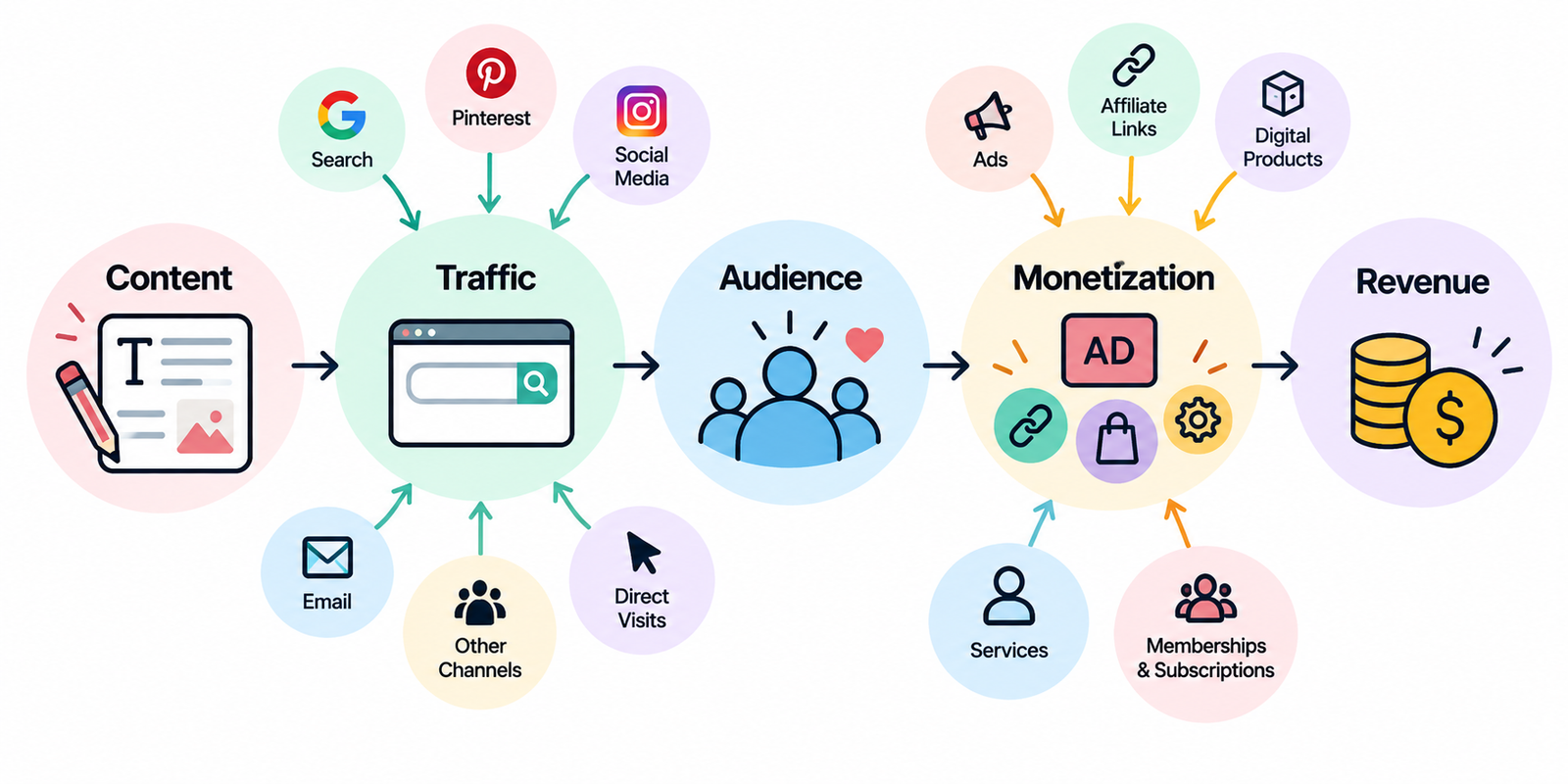
Bloggers don’t have to rely on a single income stream. A blog can combine display advertising, affiliate marketing, digital products, and other monetization methods, depending on its content and audience.
For example, someone might discover an article through Google Search or Pinterest. While reading, they may see an advertisement, click a relevant affiliate link, or explore a digital product. Each interaction creates a different opportunity to generate revenue.
One article can support multiple income streams, but that doesn’t mean every visitor will generate revenue. The goal is to connect useful content with monetization methods that make sense for the audience.
How to Choose the Right Way to Make Money Blogging
The right monetization method depends on your audience, content, and business goals. Rather than trying every option at once, consider what your blog already offers and what your readers need.
- Choose display advertising if your blog attracts consistent traffic and you want to earn from ad placements.
- Choose affiliate marketing if your content helps readers compare products or decide what to buy.
- Consider sponsored content if your blog reaches an audience that brands want to connect with.
- Create digital products if you can solve a specific problem with a resource readers are willing to pay for.
- Offer services if your expertise can help readers or businesses achieve a particular outcome.
- Consider memberships or subscriptions if you can provide ongoing value that readers want to access regularly.
You can combine these methods as your blog develops. Start with the model that best fits your existing content and audience, then evaluate its performance before adding more.
Frequently Asked Questions
How long does it take to make money blogging?
There is no fixed timeline. Results depend on your niche, content quality, promotion, competition, and monetization method. Some blogs may generate revenue relatively early, while others take much longer.
How much traffic do you need to make money from a blog?
There is no universal traffic threshold. Advertising generally relies more heavily on traffic volume, while affiliate marketing, services, and digital products can work with smaller, relevant audiences. Results also depend on conversion rates and audience intent.
Can a small blog make money?
Yes. A smaller blog can generate revenue if it reaches the right audience and offers something relevant to its readers. Traffic volume matters, but it isn’t the only factor.
What is the easiest way to monetize a blog?
There is no single easiest method for every blog. Affiliate marketing may suit content that helps readers choose products, while services may fit bloggers with marketable expertise. The best starting point depends on your content, audience, and available resources.
Can you make money blogging without ads?
Yes. Affiliate marketing, sponsored content, digital products, services, and memberships can generate revenue without relying on display advertising.
The Bottom Line
Blogging can generate income through several revenue streams, from display advertising and affiliate marketing to digital products, services, and subscriptions. Each model works differently, and the right choice depends on your content, audience, and business goals.
Rather than trying to monetize every visitor, focus on creating useful content, reaching the right audience, and choosing monetization methods that fit what your readers need. As your blog grows, you can test additional revenue streams and build a business around the content you publish.