
Looking for faceless YouTube channel ideas can be exciting, but choosing one that you can actually produce is a different challenge. Not showing your face on camera has become a legitimate production choice, not just a workaround for shy creators. Some creators choose it for privacy or comfort, while others simply find that narration and visuals suit their subject better.
The catch is that faceless describes a production approach, not a niche. It doesn’t tell you what to make a channel about. Most articles on this topic stop at generic categories like “history” or “finance.” In contrast, a channel concept is what viewers actually get: the angle, format, and type of videos they can expect.
Take psychology. The niche is psychology. A channel concept could be a narration-driven channel explaining human behavior through illustrations and relatable scenarios, with videos like Why Some People Need Constant Reassurance. That’s something you can picture making. “Psychology” alone isn’t.
Instead of another giant list of niches, here are 20 faceless YouTube channel ideas as actual channel concepts — including what the videos could look like and some of the tradeoffs involved.
20 Faceless YouTube Channel Ideas
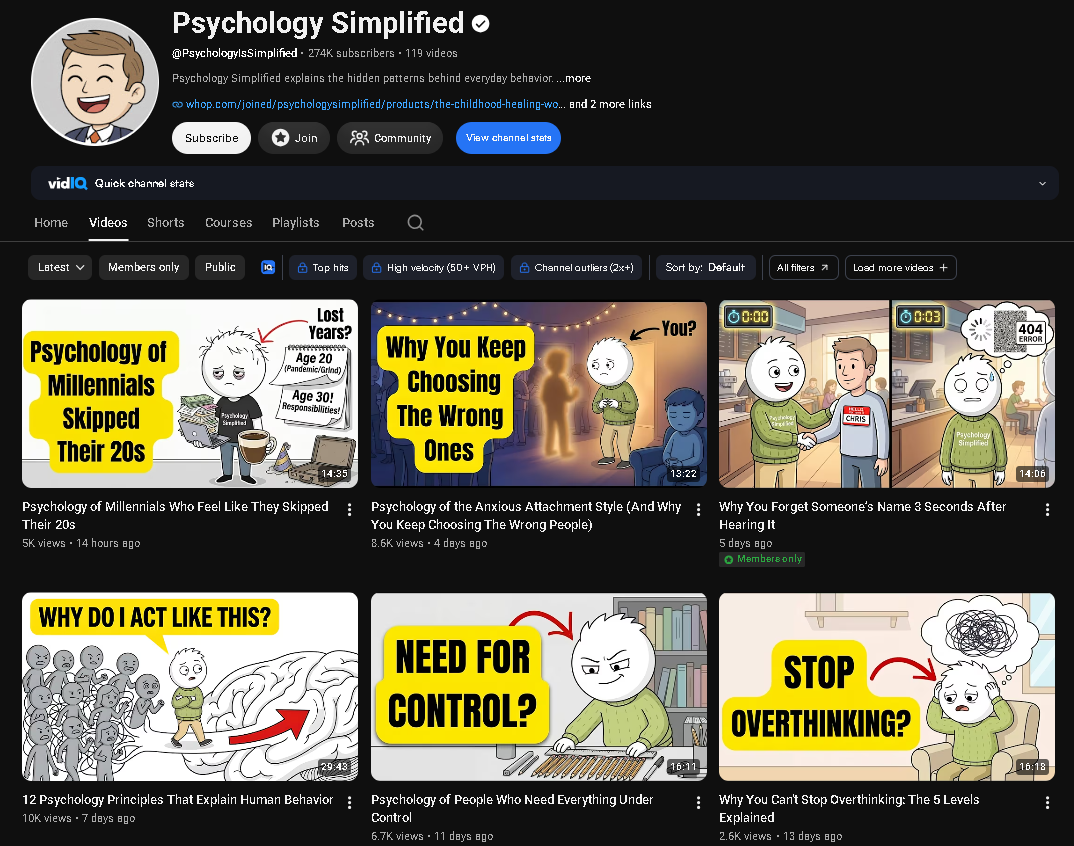
1. Psychology & Human Behavior
Explain why people think, feel, and act the way they do through narration, illustrations, or simple animation. Videos could explore Why Some People Need Constant Reassurance or Why We Avoid Difficult Conversations. Psychology Is Simplified demonstrates the format. The challenge is standing out in a crowded psychology space.
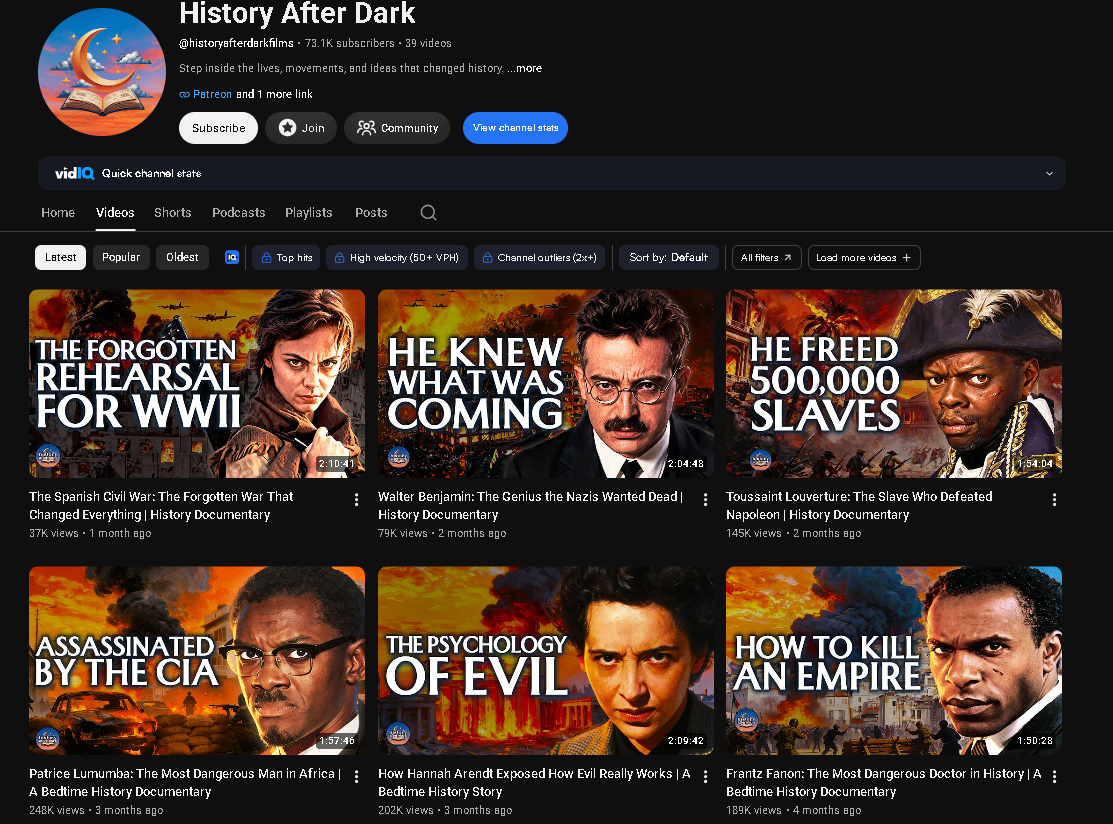
2. History & Historical Stories
Build narrative videos around events, eras, or historical figures using archival images, maps, and light animation. Topics could include Why the Berlin Wall Was Built or The Battle That Changed an Empire. Timeline and History After Dark demonstrate the format. Unlike Forgotten History, this focuses on broader and more recognizable historical subjects.
3. Business & Company Stories
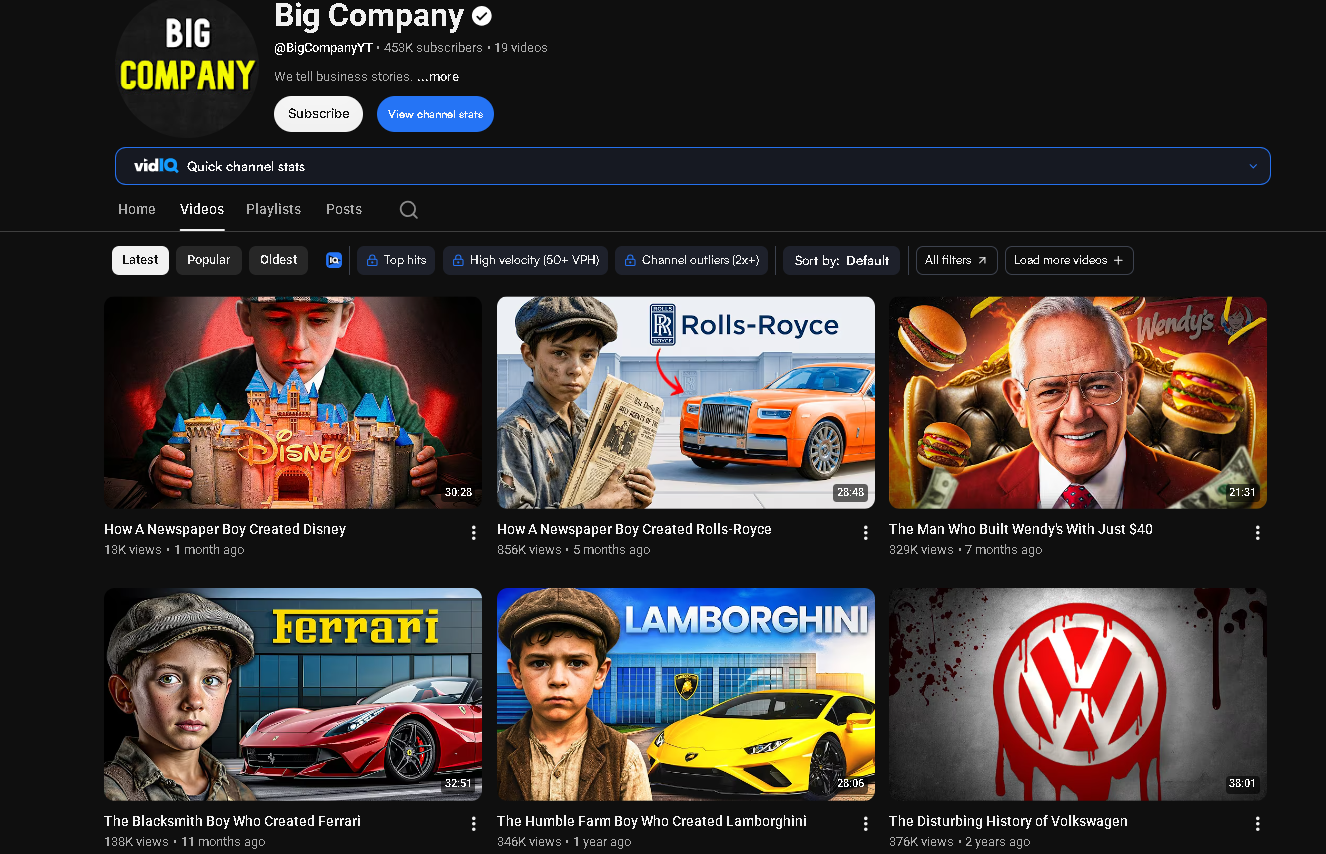
Tell the stories behind companies, industries, and major business decisions using narration and archival footage. Videos could explore How Nokia Lost the Smartphone War or Why Blockbuster Failed. Big Company demonstrates the format. Unlike Brand & Product History, this focuses on companies, competition, and strategy rather than individual products.
4. Science Explained
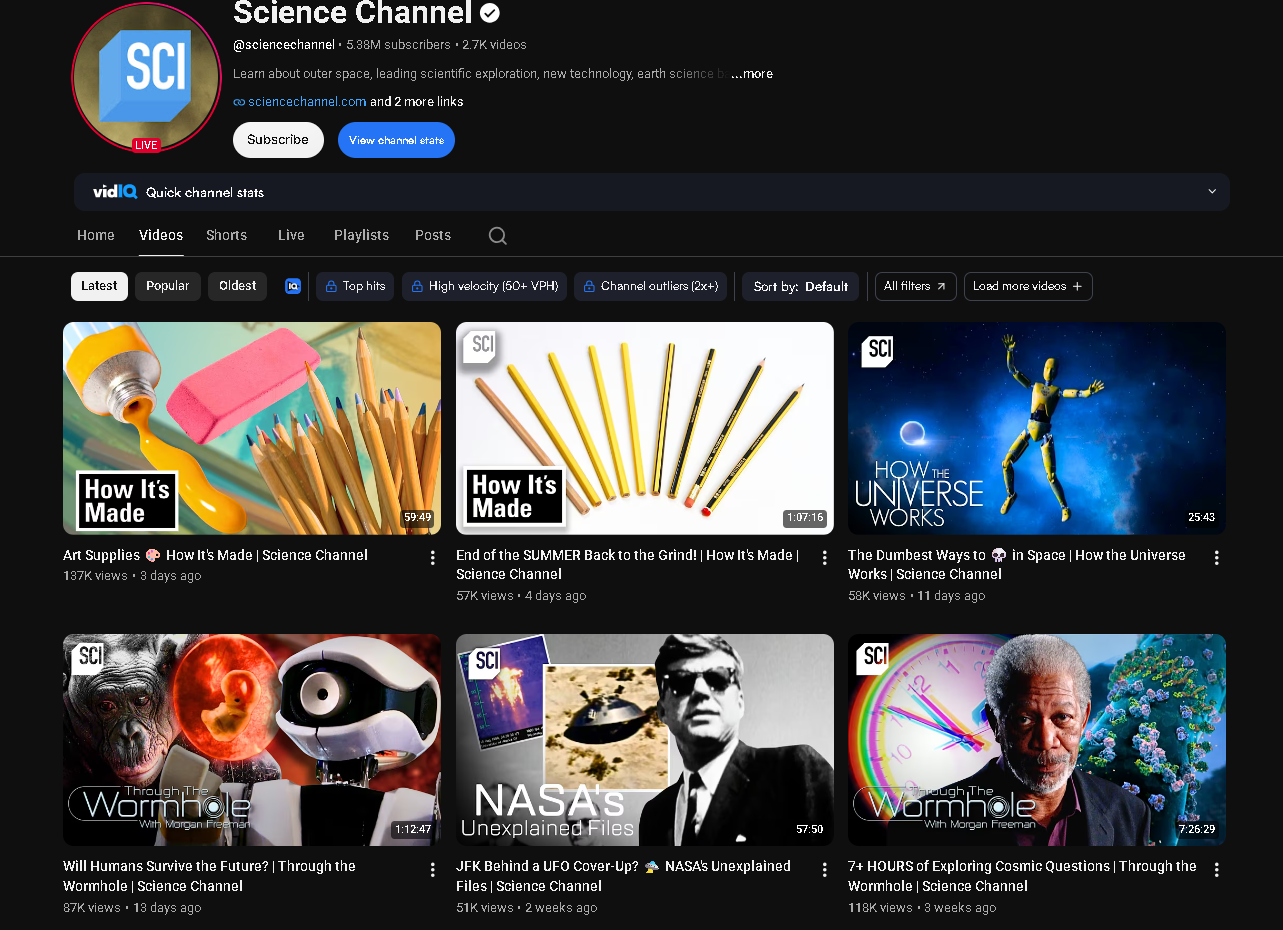
Take one scientific concept, phenomenon, or piece of research and make it understandable through animation, diagrams, or visual metaphors. Possible topics include Why Time Feels Faster as You Get Older or How Vaccines Are Tested. Science Channel demonstrates the visual, narration-led approach. The main challenge is maintaining accuracy while simplifying complex subjects.
5. Geography & Countries
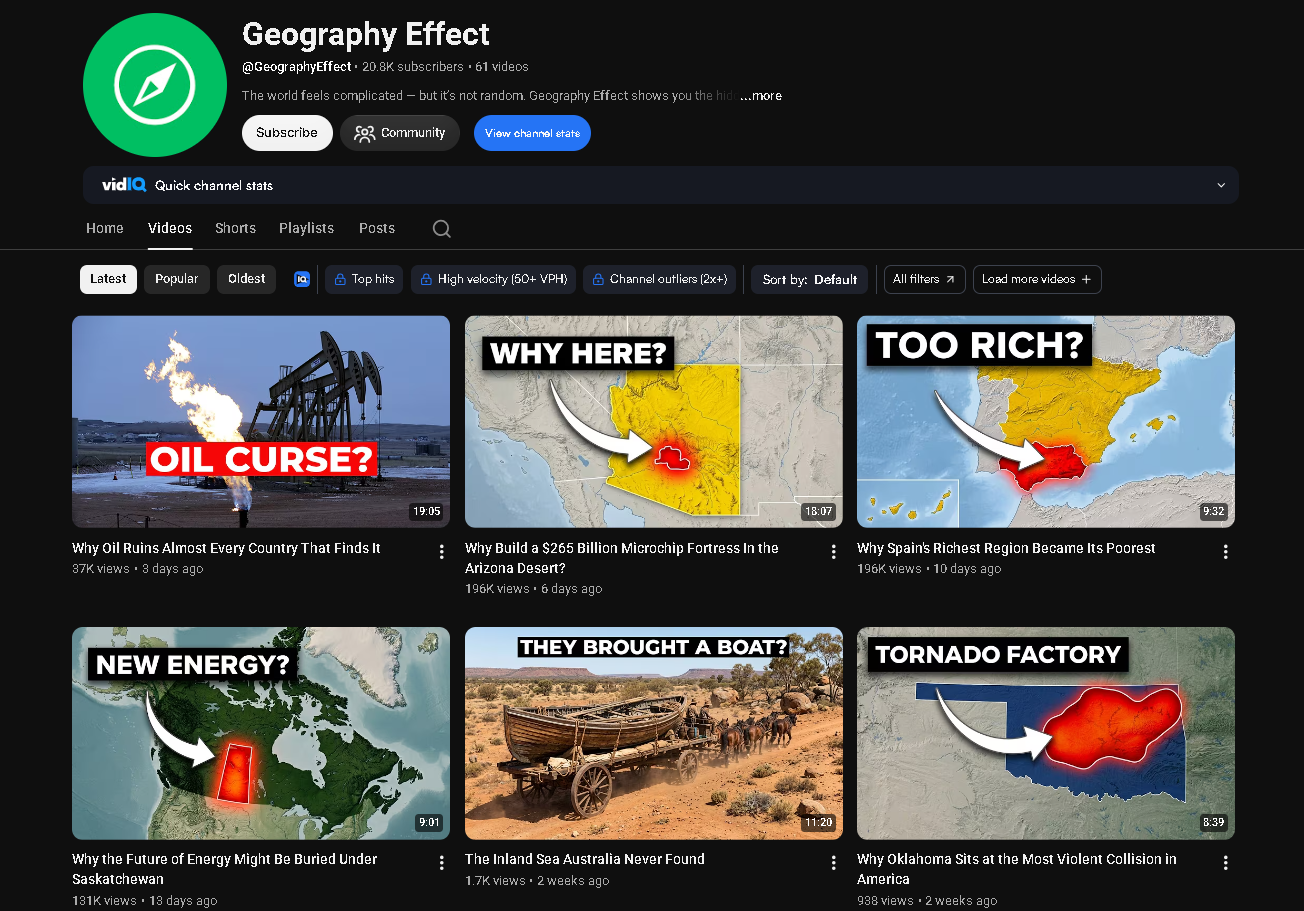
Explore places through specific questions rather than generic country facts. A video might explain Why This Border Looks So Strange, Why This City Was Built Here, or How One Country Became So Wealthy. Meanwhile, Geography Effect demonstrates how maps, satellite imagery, and narration can create a more analytical format.
6. True Crime & Unsolved Mysteries
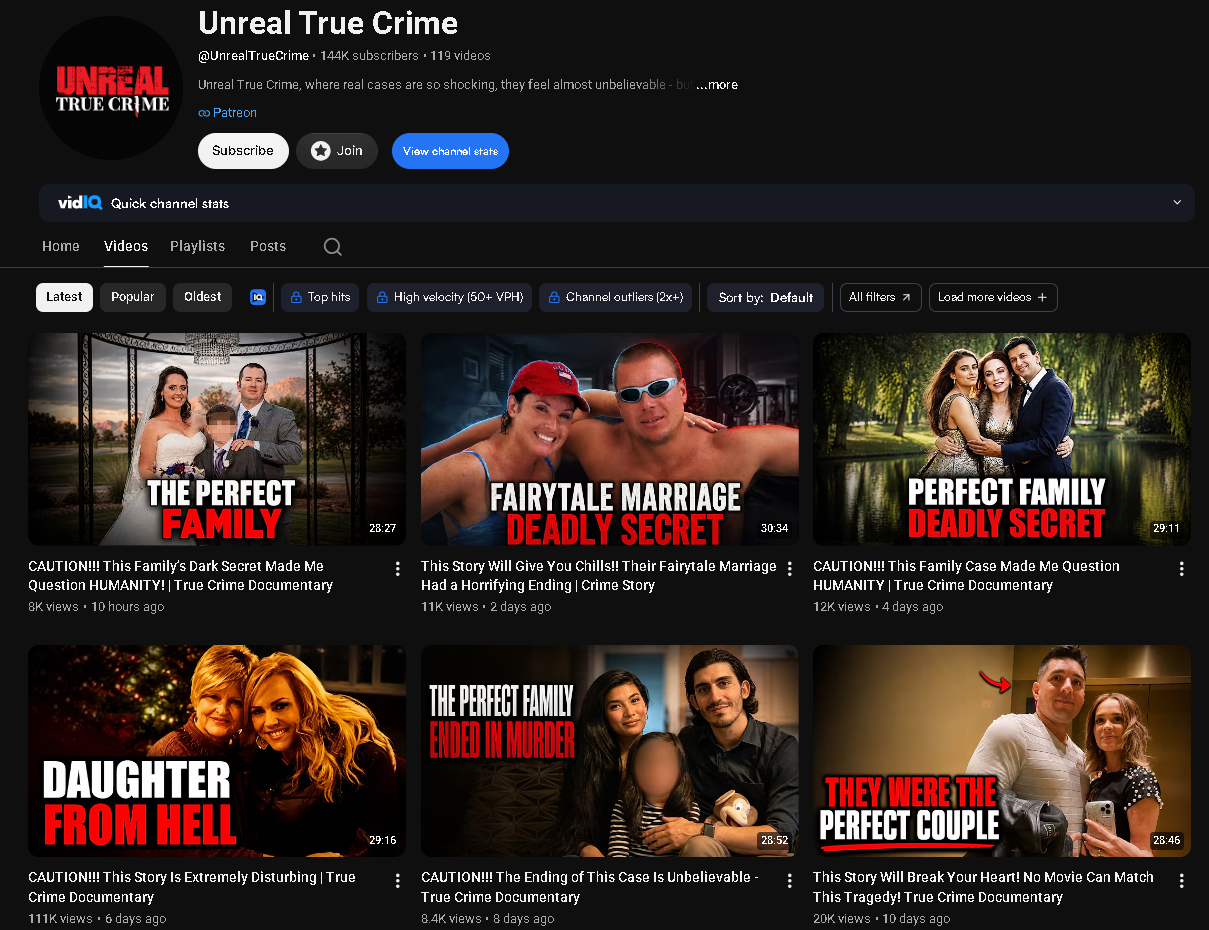
Build case-based stories around narration, archival photographs, court documents, maps, and timelines. Videos could reconstruct an unsolved disappearance or explain how investigators eventually solved a cold case. Unreal True Crime demonstrates the format. However, the major consideration here is editorial responsibility: real victims and families are involved, so sourcing and respectful presentation matter.
7. Philosophy & Big Ideas
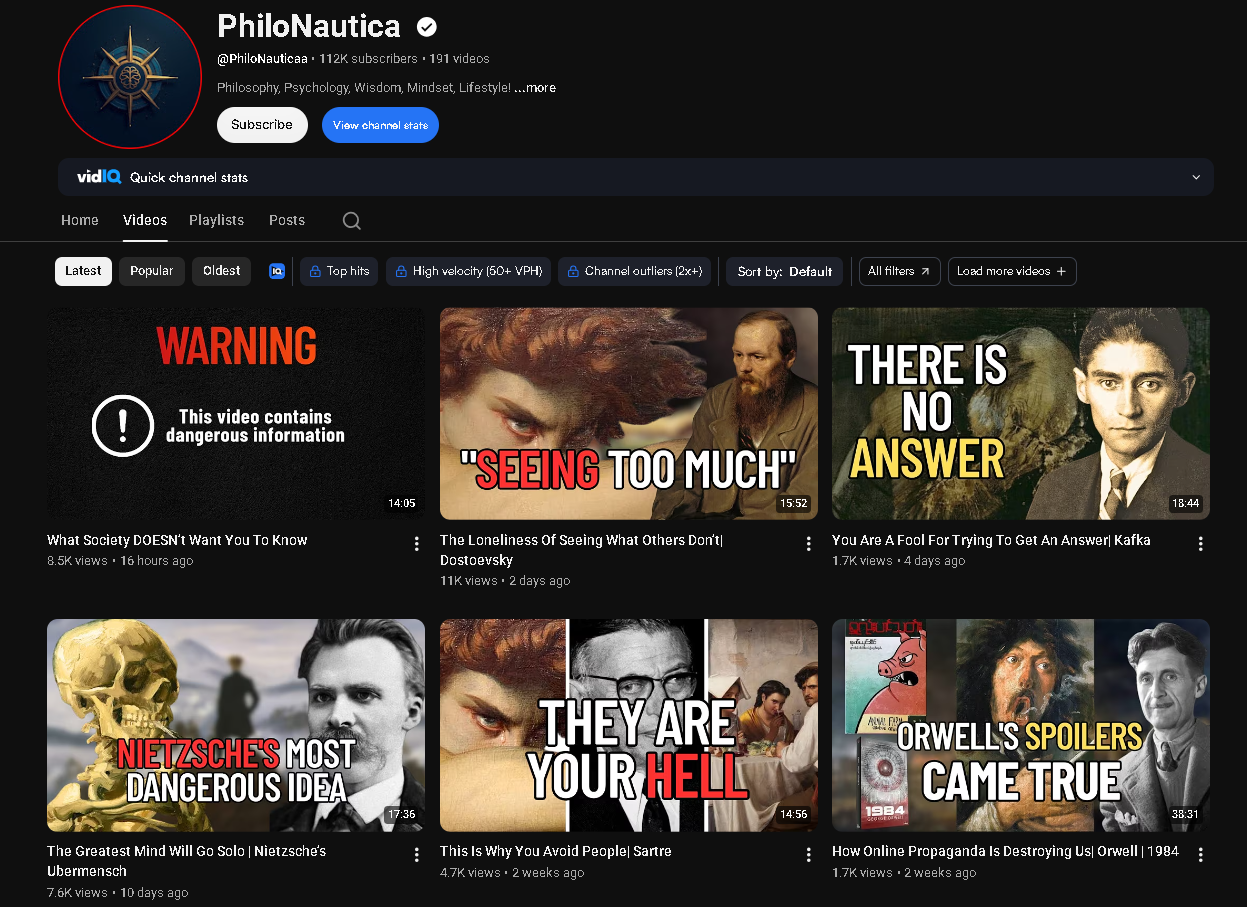
Turn philosophical ideas and thought experiments into accessible stories. A channel could explore the trolley problem, Stoicism and modern anxiety, or questions about personal identity. Abstract motion graphics, illustrations, and text can provide the visuals. PhiloNautica demonstrates how dense ideas can become watchable. Because the subject is abstract, the challenge is keeping it engaging through strong writing and pacing.
8. Technology & AI Explained
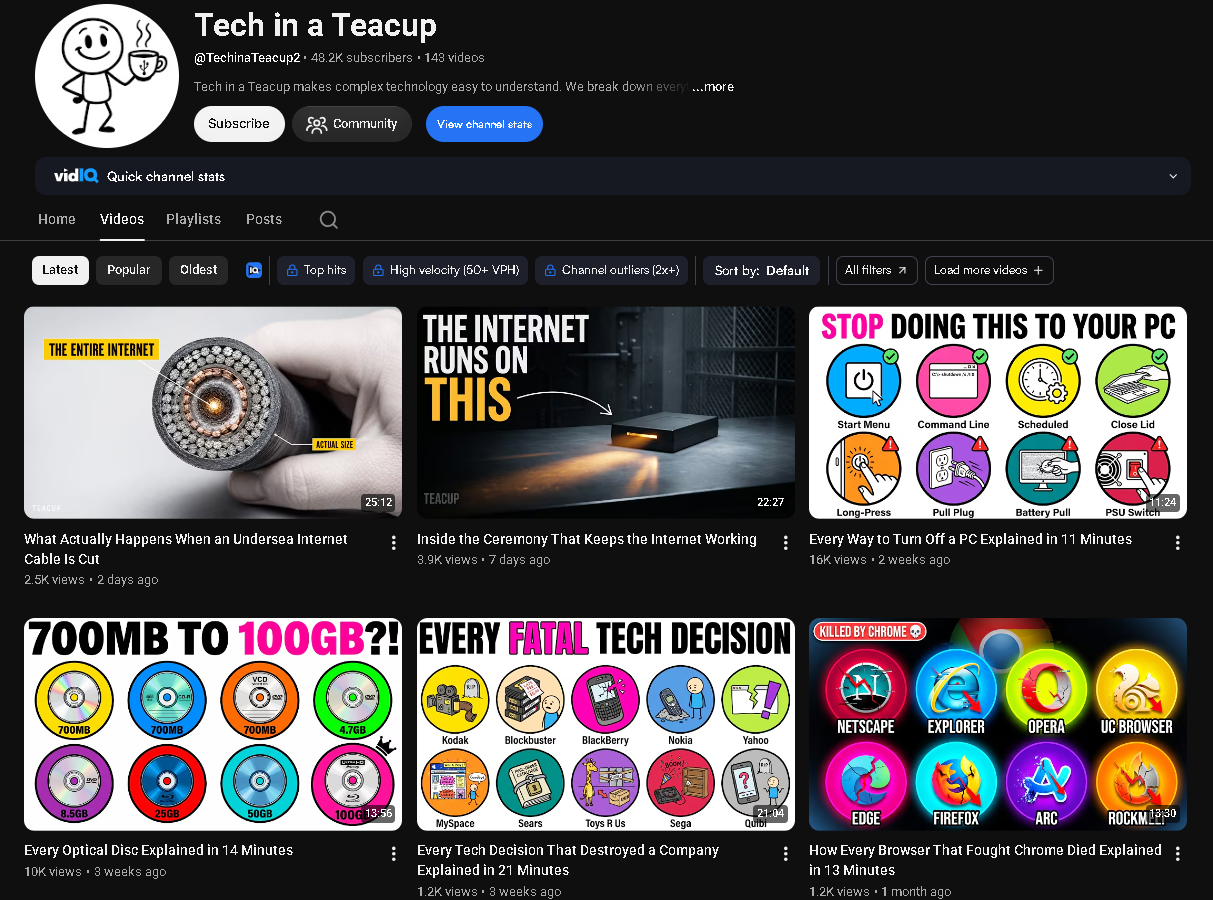
Explain how technologies work, why they were developed, and what they actually change. Videos could cover recommendation algorithms, emerging AI systems, or gadgets that failed. Screen recordings, diagrams, demonstrations, and narration can carry the format without a presenter. Tech in a Teacup demonstrates this approach. At the same time, the challenge is keeping up with a fast-moving subject.
9. Economics & Money Explained
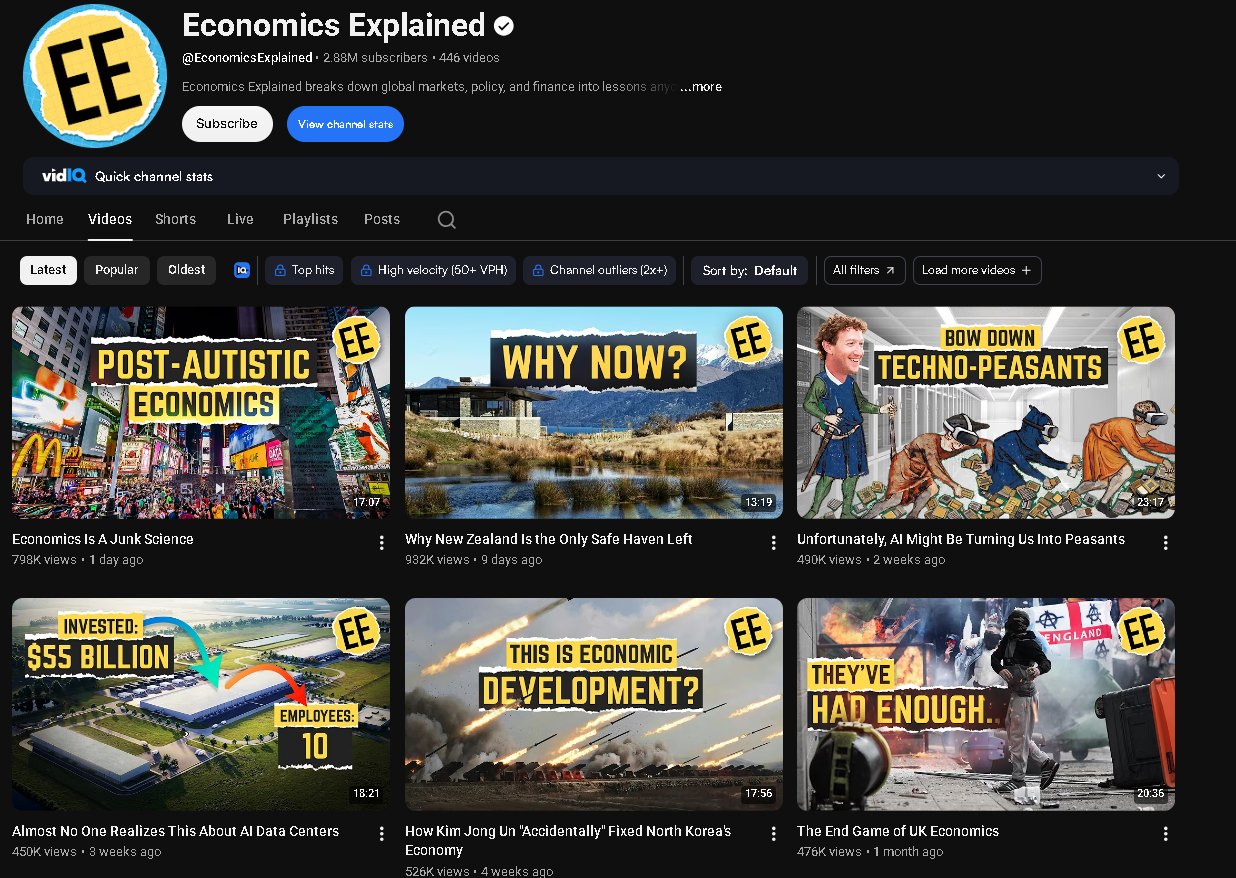
Explain economic systems and events rather than focusing on personal finance advice. Videos could explore Why Inflation Happens, How Interest Rates Affect the Economy, or What Actually Caused a Market Crash. Economics Explained demonstrates how charts, narration, and simple animation can make abstract ideas easier to understand. However, the main challenge is avoiding misleading oversimplification.
10. Self-Improvement & Productivity
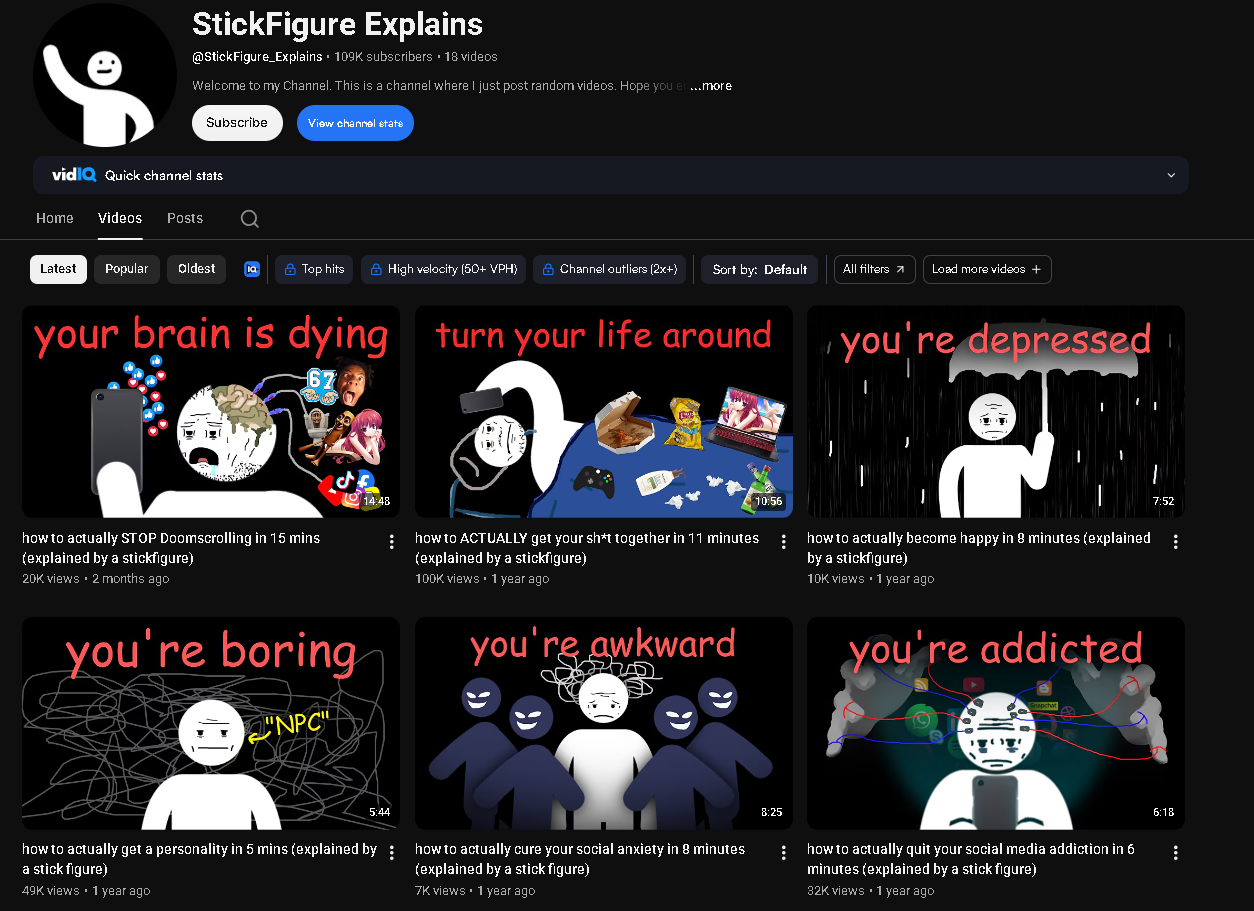
This crowded category needs a stronger angle than another list of “5 habits of successful people.” A channel could investigate the research behind popular habits, test productivity advice, or explain why people procrastinate. For example, StickFigure Explains demonstrates how a distinctive visual style can help separate this type of content from generic motivational videos. Differentiation is the biggest challenge.
11. Forgotten History
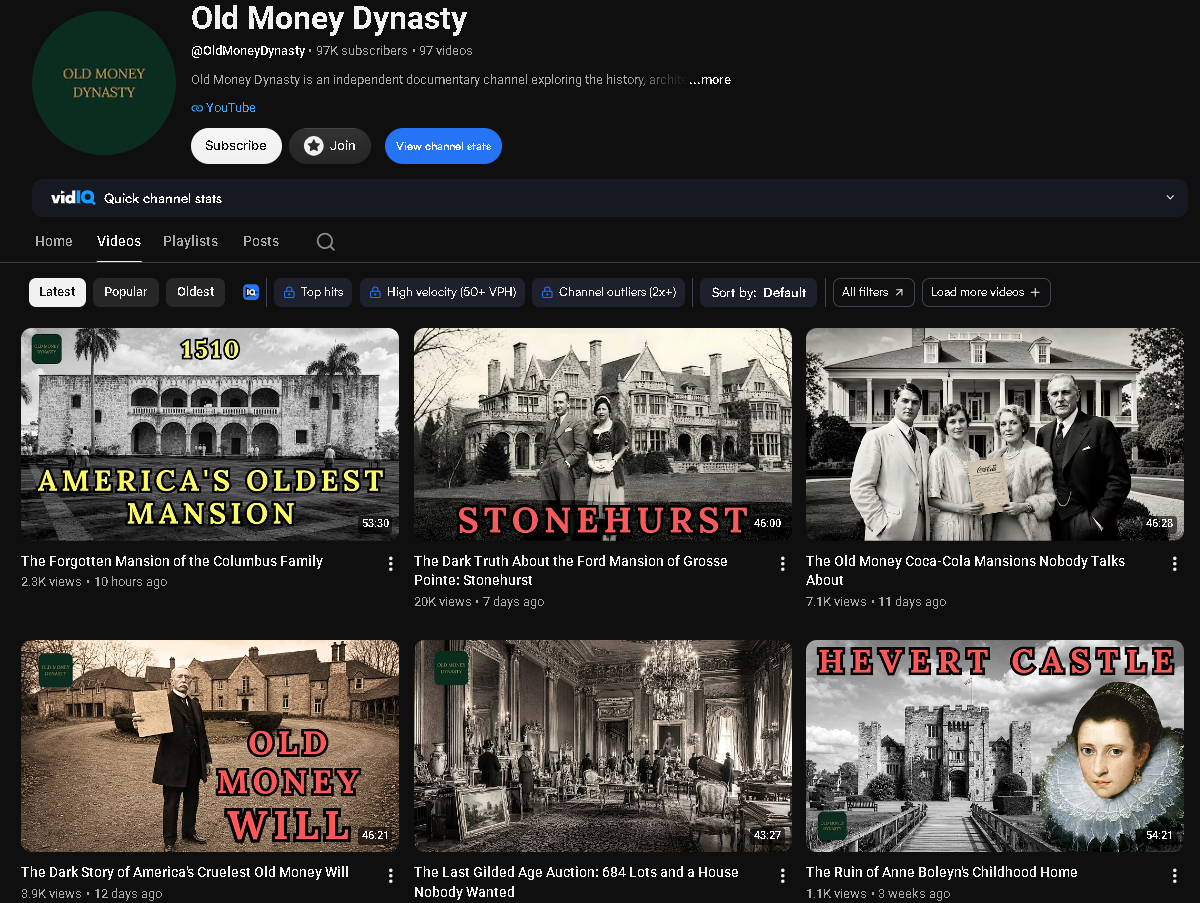
Focus on obscure events, overlooked people, unusual occupations, and strange stories that rarely appear in mainstream history content. Videos could explore a forgotten profession, an overlooked historical figure, or a strange event that disappeared from public memory. Old Money Dynasty provides an example of this storytelling approach. The tradeoff, however, is research: obscure stories can take longer to verify.
12. Brand & Product History
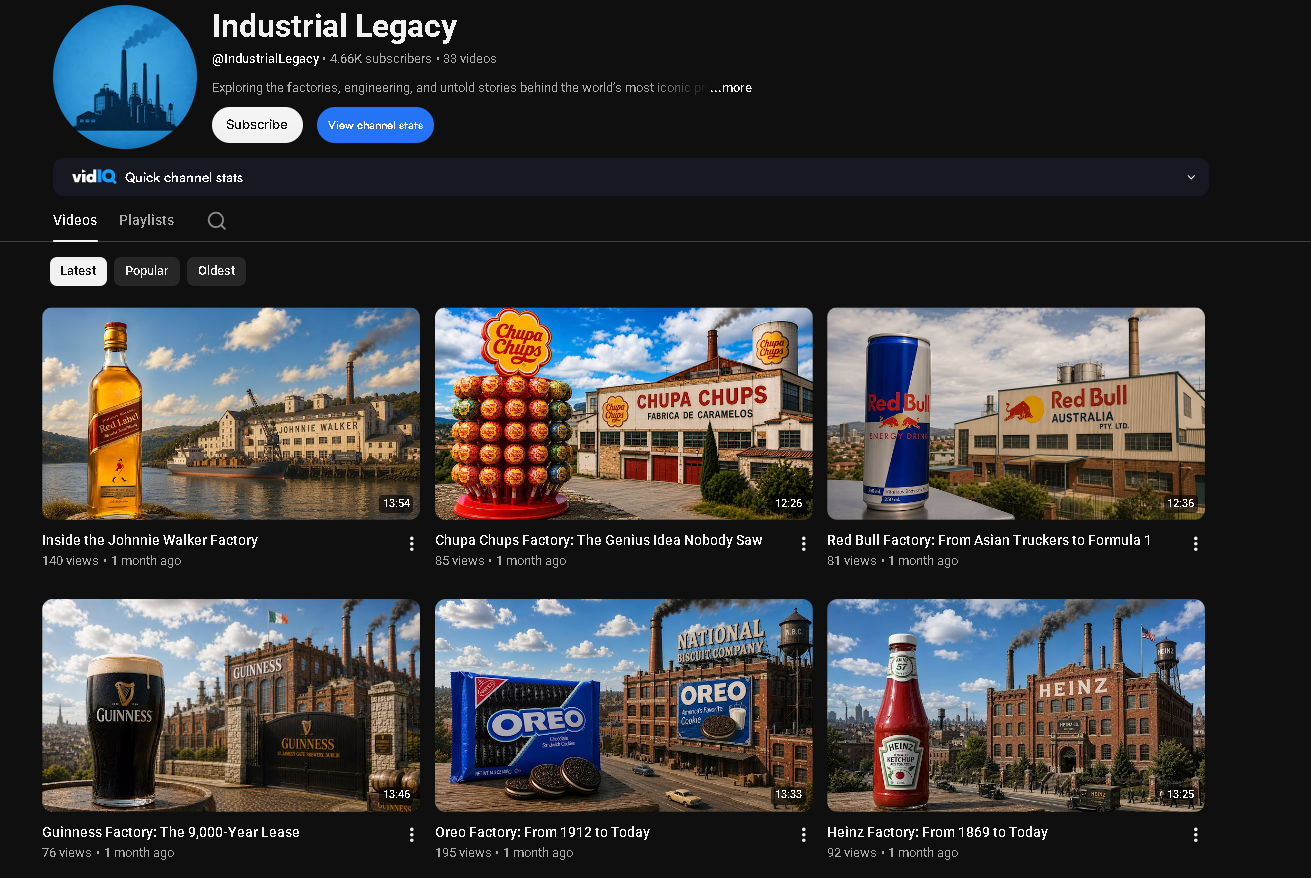
Trace a specific product, brand, design, or consumer object from its origins to today. Videos could explore How the Shopping Cart Changed Retail, Why This Soda Bottle Looks the Way It Does, or How a Cheap Product Became a Cultural Icon. Industrial Legacy demonstrates this type of object-focused storytelling. The main challenge is separating documented history from brand folklore.
13. Internet Mysteries & Dark Internet Culture
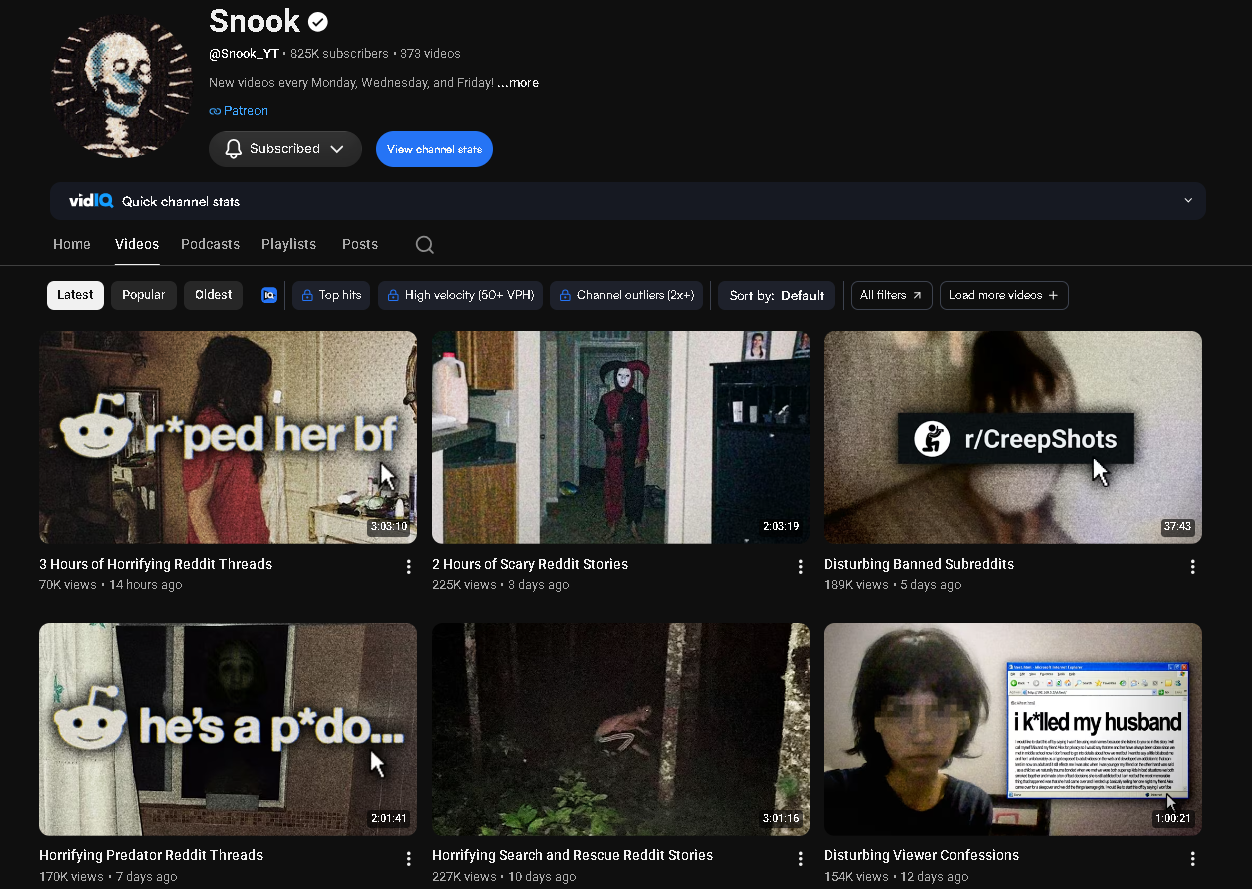
Explore the strange and unsettling side of the internet through Reddit mysteries, disturbing posts, obscure communities, lost media, deleted content, and internet icebergs. Videos could explore The Disturbing Reddit Posts Iceberg, The Darkest Corners of Reddit, or mysterious online communities that disappeared. Snook, The Internet Investigator, and Abyssal Detective show how this concept can work as a narration-driven faceless channel. The main challenge is researching sensitive material carefully and avoiding sensationalism.
14. Mythology & Folklore
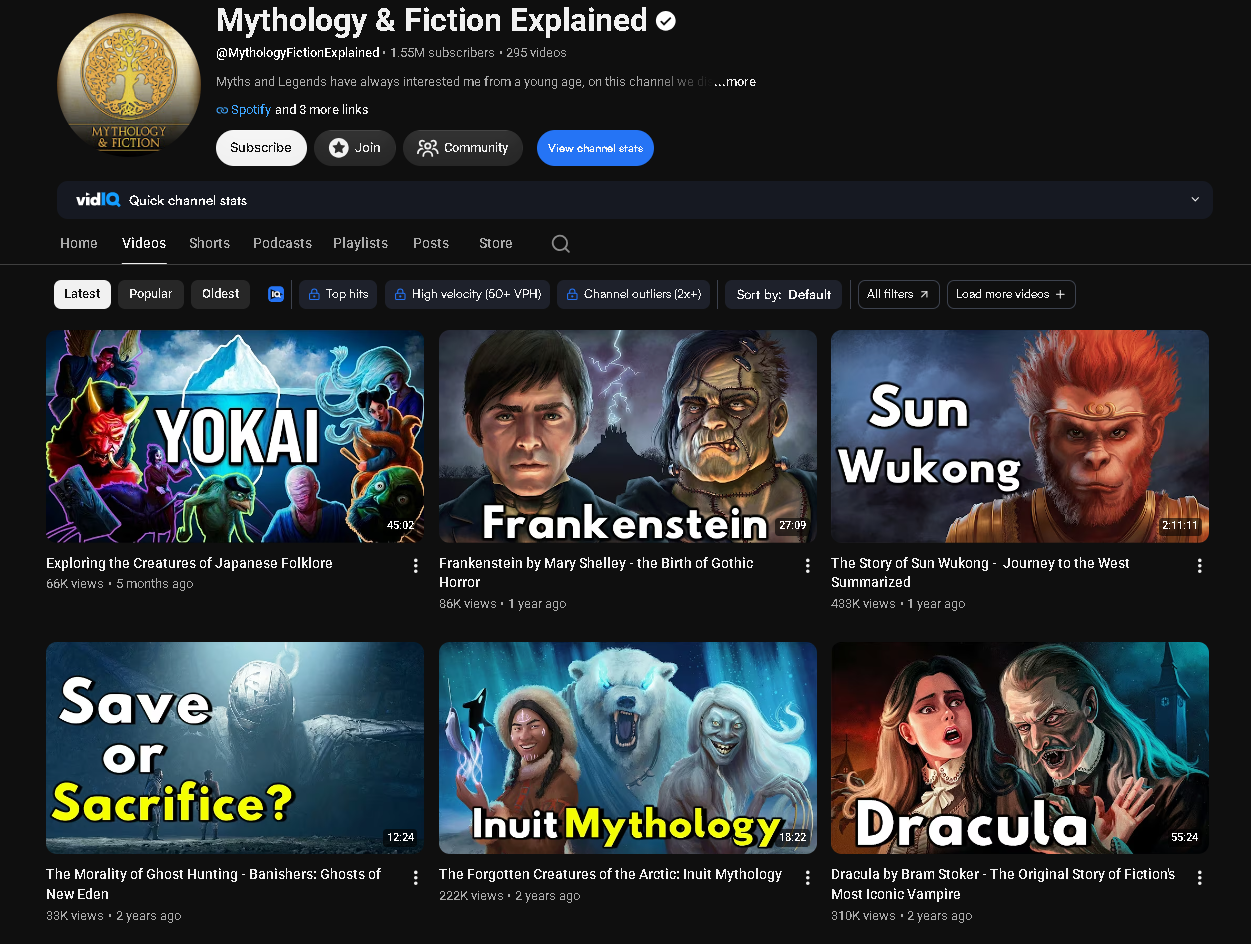
Explore myths and folklore from specific cultures, focusing on their stories, meanings, and cultural context. Instead of 10 Greek Gods, a channel could explore Why This Myth Exists or The Darker Meaning Behind a Familiar Folktale. Mythology & Fiction Explained demonstrates how illustration and narration can create a distinctive visual identity. Above all, cultural accuracy and respectful framing are especially important here.
15. Food History
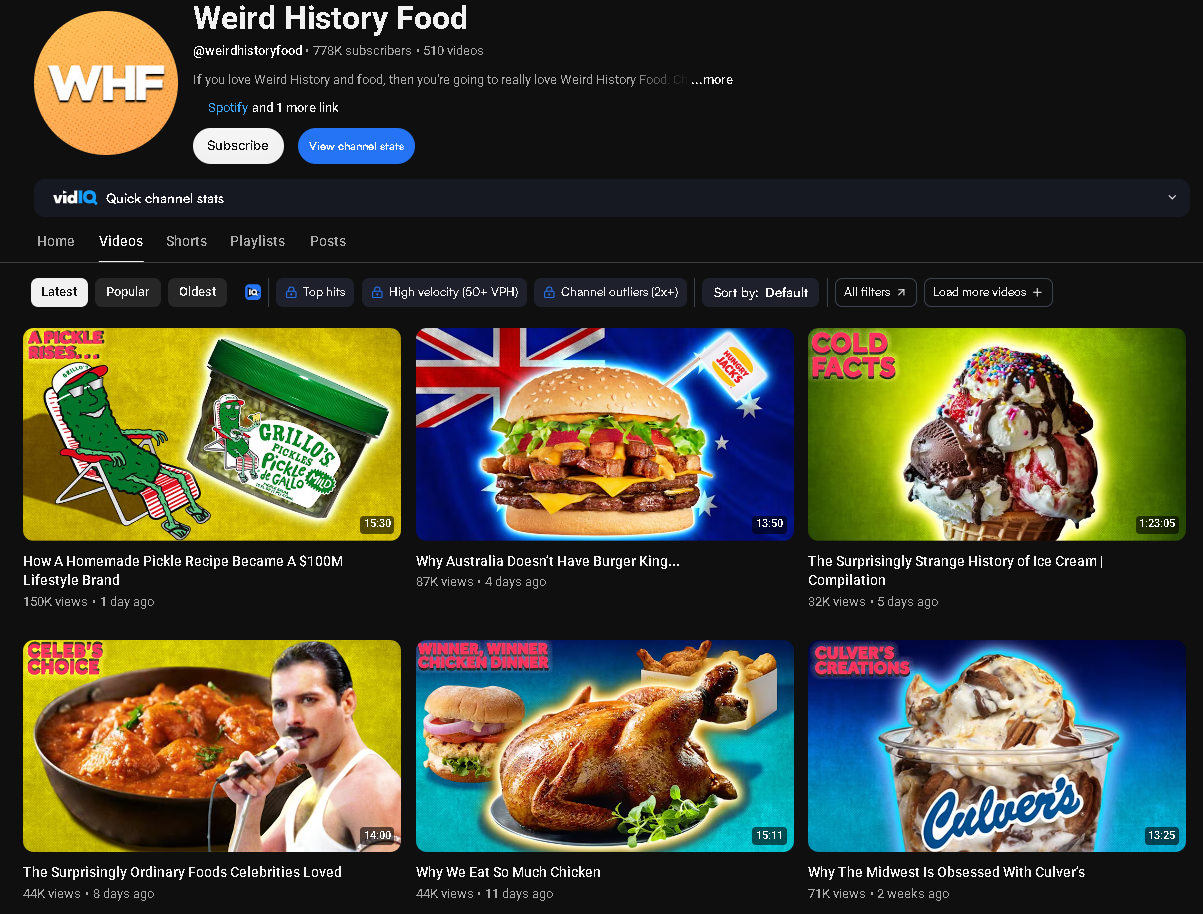
This isn’t a recipe channel. It’s about the history and cultural context behind specific foods. Videos could explore How a Poverty Dish Became a Delicacy, Why Canned Food Changed War, or The Strange History of Instant Noodles. Weird History Food demonstrates the format using archival material and narration. The catch is finding unusual angles in a topic that already has plenty of competition.
16. Engineering Failures & Disasters
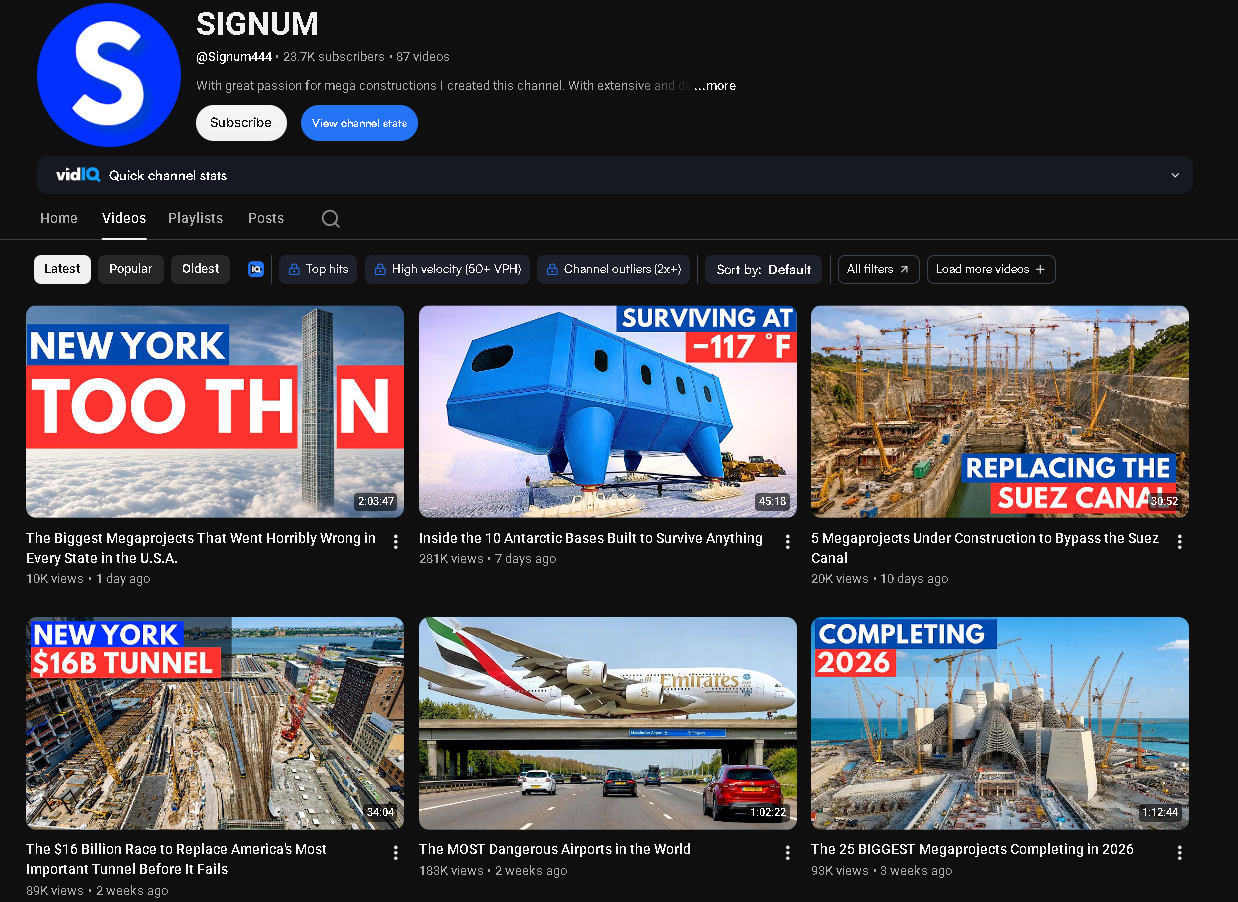
Deep-dive into how bridges, buildings, machines, or complex systems failed. Instead of simply recounting a disaster, explore the technical problems and decisions that led to it. Videos could examine Why This Bridge Collapsed or The Engineering Mistake Behind a Major Disaster. Signum444 demonstrates how diagrams and simulation-style animation can explain technical failures without a presenter. For that reason, accuracy and editorial restraint are essential when real people are involved.
17. How Things Work & Everyday Explainers
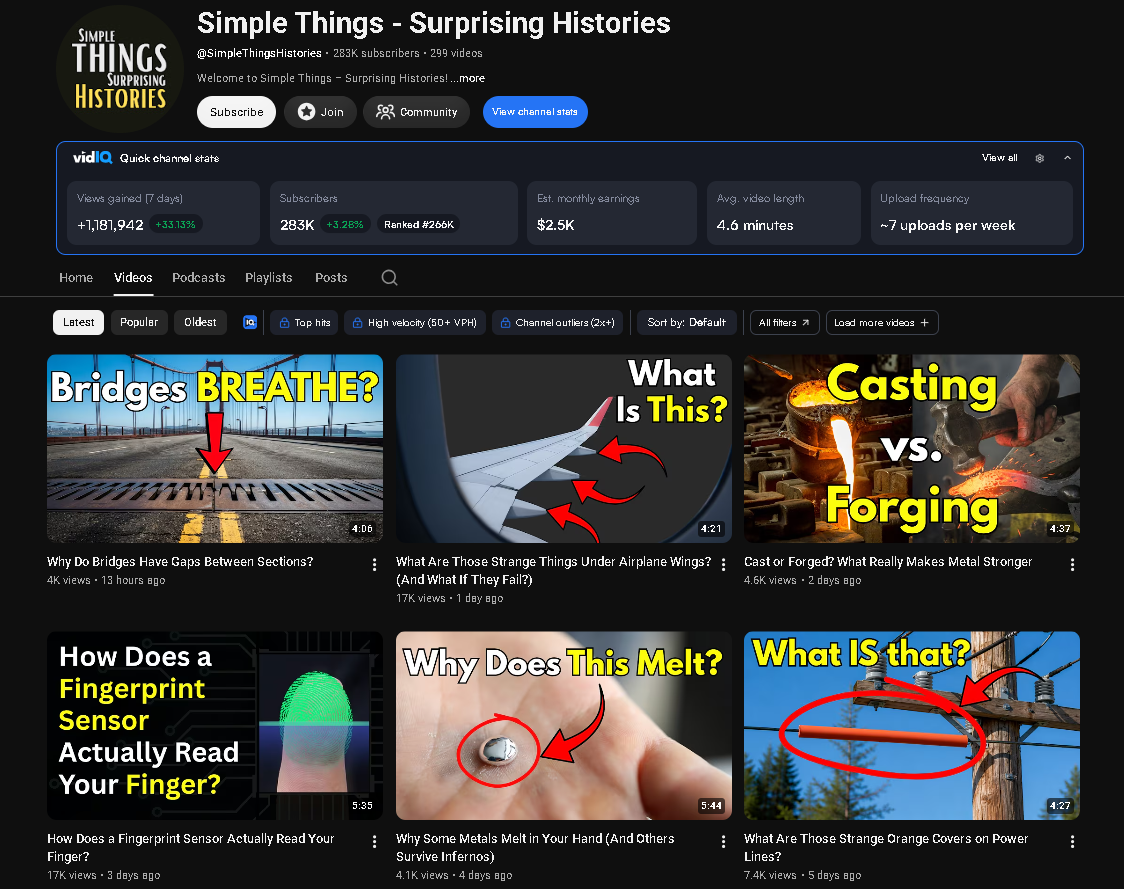
Explain ordinary objects and systems people use every day but rarely stop to think about. Videos could cover How a Lock Actually Works, Why Elevators Don’t Simply Fall, or How Supermarket Refrigeration Works. Simple Things – Surprising Histories demonstrates the concept. Unlike Science Explained, the focus here is everyday mechanisms and processes rather than scientific theories or phenomena.
18. Vintage Restoration & Traditional Crafts
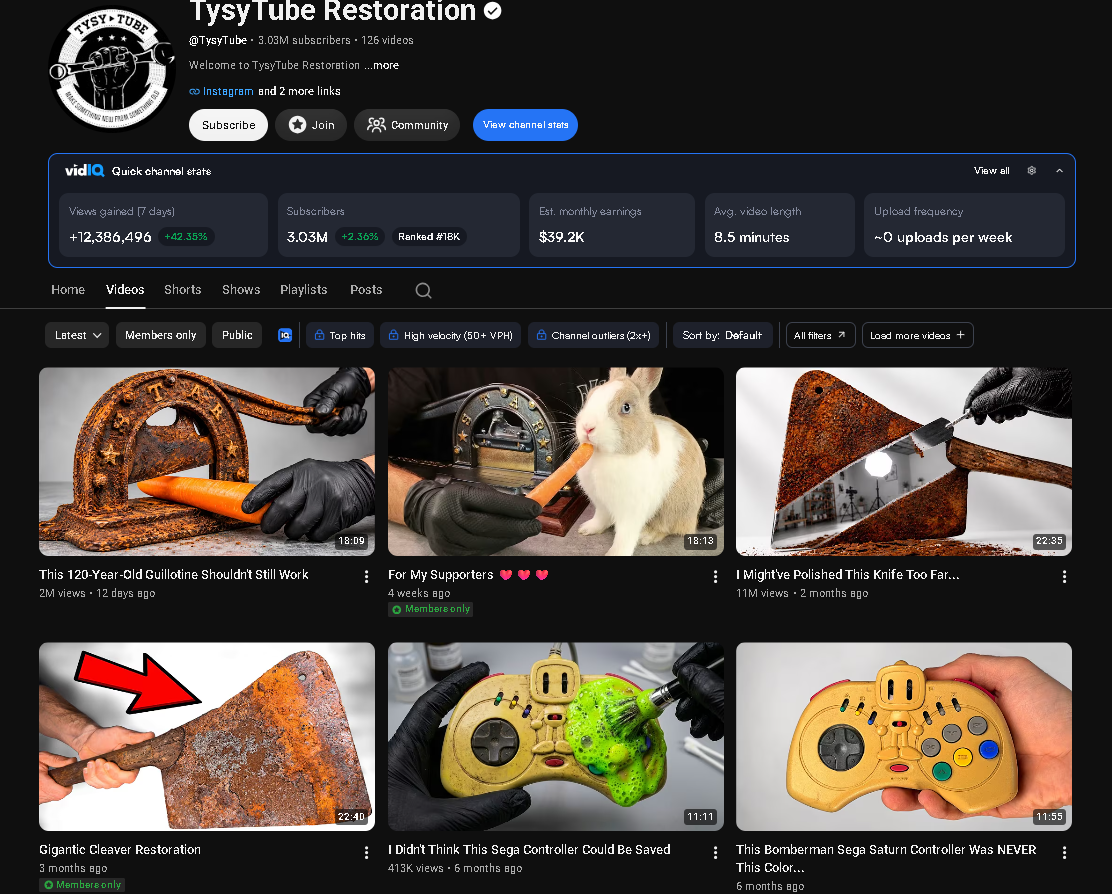
Show the process of bringing old, damaged, or forgotten objects back to life, from rusty tools and vintage machines to traditional crafts and handmade objects. Videos can focus on the transformation itself, with close-up footage, natural workshop sounds, and minimal or no narration. TysyTube Restoration is a strong example of how restoration can become compelling faceless content, with projects ranging from rusty hand tools and vintage kitchen items to old electronics and other objects. The challenge is having access to interesting objects, a suitable workspace, and the practical skills needed to restore them well.
19. Single-Country or Single-City Stories
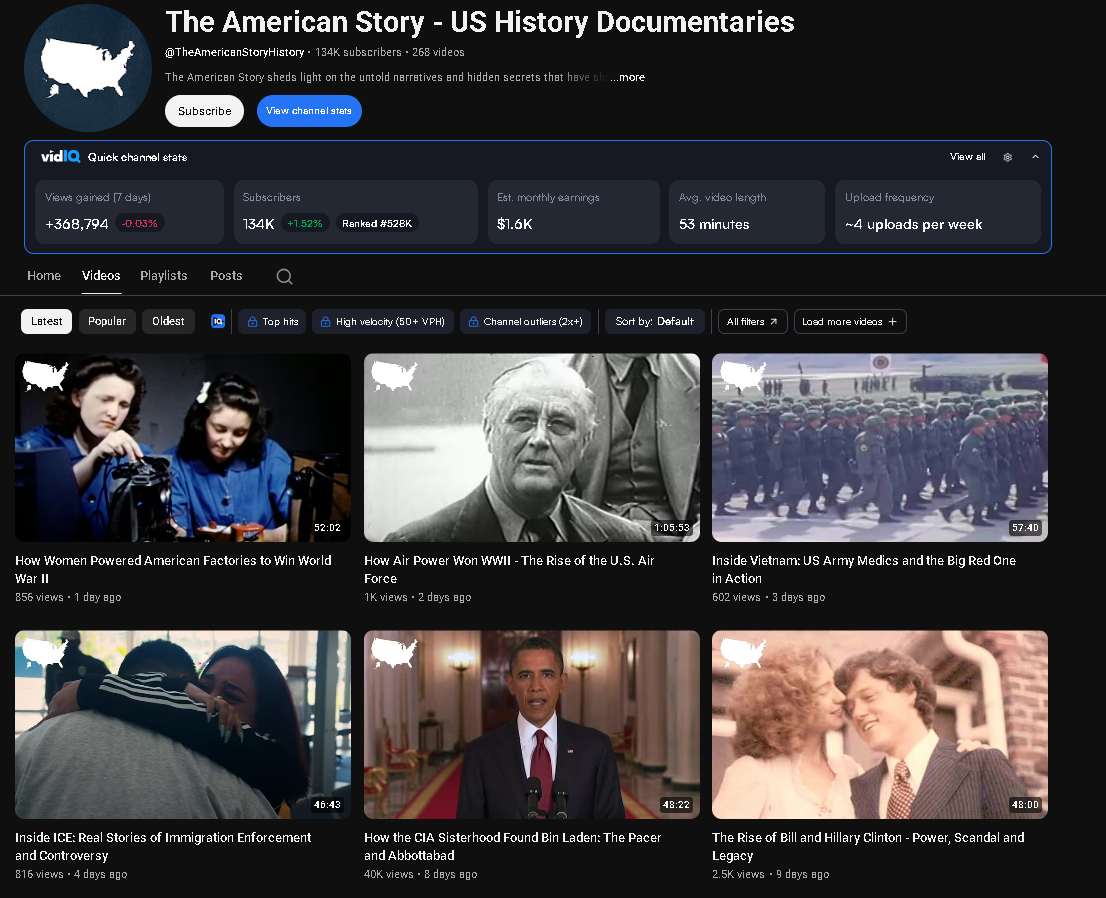
Build an entire channel around one place rather than covering the world. Its videos could explore the area’s history, architecture, culture, industries, unusual stories, and development. The American Story History demonstrates how a narrow geographic focus can create a recognizable channel identity. The main limitation is finding increasingly fresh angles as the library grows.
20. Ambient / Relaxation / Atmospheric Content
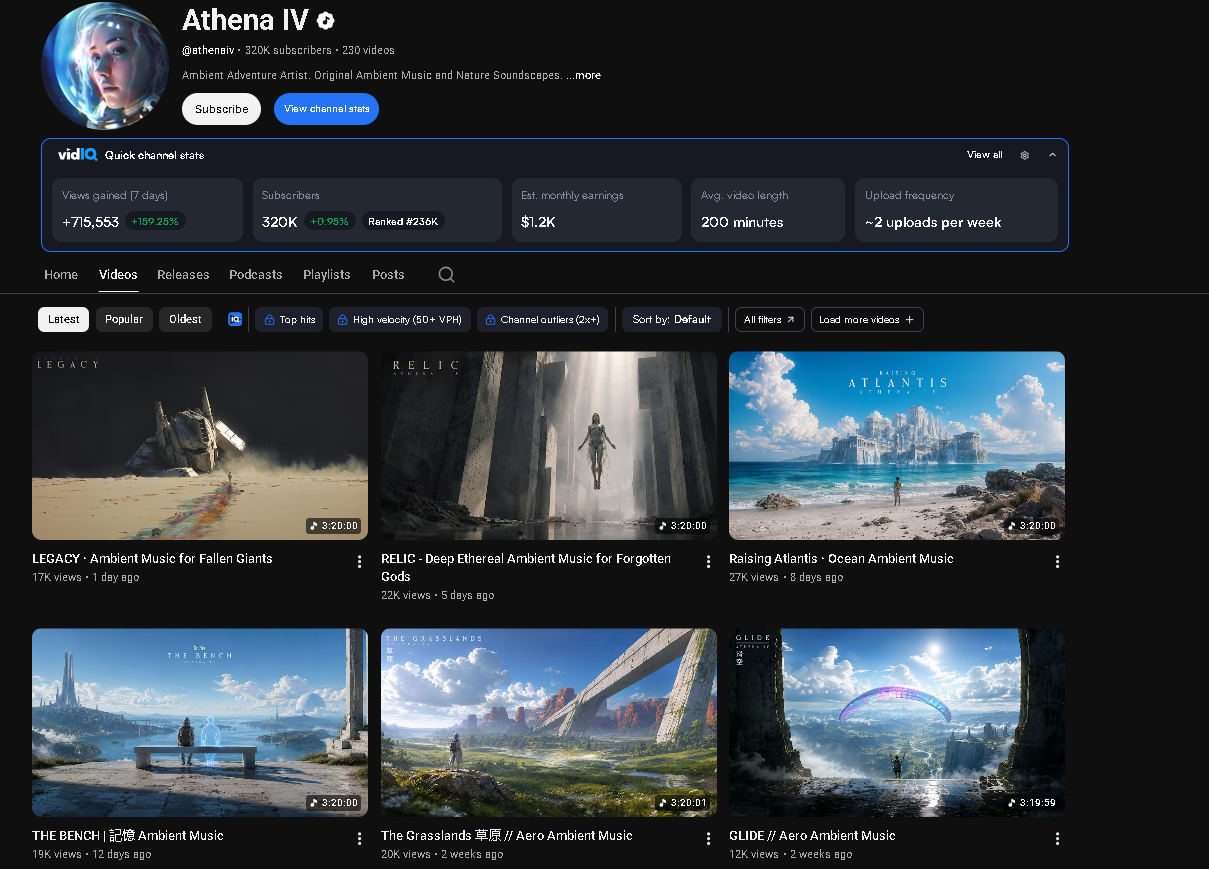
This is a very different production model from the research-heavy channels above. Instead of documentary storytelling, create long-form videos for studying, sleeping, relaxing, or establishing a particular mood.
Possible directions include fantasy ambience, rain and nature sounds, cozy cafés, dark academia, meditation, or atmospheric environments inspired by games and fictional worlds. The production challenge shifts toward audio quality, visual atmosphere, licensing, and consistency rather than scripting and narration.
How to Choose From These Faceless YouTube Channel Ideas
Before committing to one of these faceless YouTube channel ideas, ask yourself:
Check the Idea Before You Commit
- Can you imagine making 50–100 videos about it? If you’re already struggling to think of a second or third topic, the concept may be too narrow.
- Can you realistically produce the format? Ambient content, documentary narration, animation, and screen recordings all require different skills and resources.
- Can you find enough usable visual material? This is easy to overlook with faceless channels. A great topic can become impractical if photographs, archival footage, screen recordings, maps, or other relevant visuals are difficult to find. I once considered building a faceless channel about female inventors, but after researching the available material, I realized there wasn’t enough usable real imagery and footage to support the format consistently.
- Are smaller channels still getting views? Search YouTube for the topic, preferably in an Incognito or Private window, and look beyond the biggest channels. You’re looking for relatively small channels where some videos have reached thousands or even millions of views. Then check their more recent uploads. A channel with one viral video from years ago but consistently weak recent videos isn’t as encouraging as a smaller channel that continues to attract meaningful views.
Make Sure You Can Build It Your Way
- Can you give the channel a recognizable angle? “Psychology” is a niche. “Psychology explained through relatable relationship scenarios” is a channel concept. The more clearly you can explain what makes your version different, the easier it is to build a recognizable channel.
- Can you make it your own? Competitor research is useful for understanding topics, formats, and angles, but don’t copy another creator’s exact title, thumbnail, or framing. I learned this the hard way after using a title that duplicated a larger channel’s title and subsequently getting banned. I don’t know whether that channel reported it, but the experience taught me to treat competitor research as inspiration for finding patterns, not as a template to copy.
- Can you sustain it for a year? A promising idea isn’t very useful if you lose interest after twenty videos. Think beyond the first few uploads and consider whether you would still enjoy researching and producing the topic months from now.
The best idea isn’t necessarily the one that looks most lucrative. It’s the one that combines genuine interest, topic depth, realistic production, accessible visuals, evidence of current audience interest, a clear point of differentiation, and enough sustainability to keep going.
Don’t Choose a Channel Just Because It Looks Easy
Faceless doesn’t mean effortless. Not showing your face doesn’t mean having no personality either. A faceless channel can still have a recognizable voice, visual style, storytelling approach, and editorial point of view.
AI tools can reduce production friction by helping with scripting, voiceover, or editing. However, they don’t replace research, judgment, originality, or responsibility. If you’re exploring where AI can fit into a broader content workflow, see our guide to the best AI tools for content creation in 2026. However, they don’t replace research, judgment, originality, or responsibility. YouTube’s channel monetization policies emphasize original, authentic content and specifically warn against mass-produced or repetitive videos that offer little variation or original value.
The creator still decides what to research, how to structure a story, what to say, and which visuals support the narration. If you haven’t set up a channel yet, our guide on how to start a faceless YouTube channel covers that groundwork. This article assumes you’re at the stage of choosing a direction.
FAQ
What is the best faceless YouTube niche?
There isn’t a single best one. The strongest choice is a topic you understand or genuinely enjoy researching, paired with a format you can produce consistently.
What are good faceless YouTube channel ideas for beginners?
Categories with abundant source material and manageable production requirements can be easier starting points. Brand history, forgotten history, and everyday explainers may be more forgiving than subjects requiring specialized expertise, such as economics or engineering.
Can a faceless YouTube channel make money?
Yes. Faceless channels can use the same general revenue models as other channels, including advertising, sponsorships, and affiliate marketing. However, income isn’t guaranteed and usually requires sustained work over time.
Are faceless YouTube channels still worth starting in 2026?
The format remains viable, but competition is higher. A clear concept, useful research, and distinctive presentation matter more than simply producing a large volume of videos.
Can AI be used to create a faceless YouTube channel?
AI can help with parts of production, including research assistance, scripting, voiceover, and editing. It works best as a tool inside a process that the creator still directs rather than as a replacement for research or editorial judgment.
Bottom Line
There’s no universally “best” among these faceless YouTube channel ideas. The right choice depends on your interests, production ability, topic depth, visual availability, audience demand, differentiation, and sustainability.
The goal isn’t to find the easiest concept.
It’s to find one you can keep making useful, watchable videos about a year from now.